






















For plenty of high school students, the last bell of the school day doesn’t mean free time, hanging out with friends, or simply finishing any school work. Instead, it’s followed by an exhausting shift at their place of work. A student survey was conducted, which showed that though a job provides money, independence, and experience, jobs in high school also come with stress, fatigue, less free time, and other negative effects.
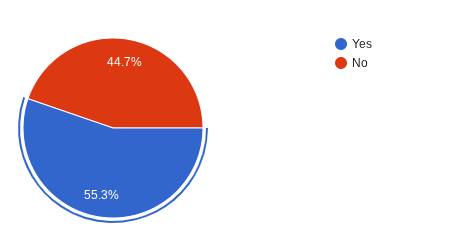
Out of about 200 responses from this survey, 110 reported having a job. Reasons for having a job vary, from wanting money, being forced, paying bills, or helping out with their family.
A junior who claims to work 20 or more hours a week says, “I have a job because I pay for my own car, I pay for my personal belongings.”
Some of these students, on top of typical bills, have a job to help themselves in the future.
A senior says, “I am also going to be responsible for paying for my own college… so I need to be able to have a foundation.” Although not all of these students have jobs for personal reasons. Another senior claims, “I need money to help support my family.’
Working while attending high school does come with many challenges. Stress and lack of sleep were two of many challenges that these students face.
One senior said that their job “makes me stressed, but also helps me better understand the world outside of school.” Another student said, “I’m tired all the time… I get about 4 hours of sleep during the week if I’m lucky.”
Students report becoming “fixated” on caffeine because of how late they get home, not allowing much time for anything else. One student says, “Having a job as a high school student actually makes it very difficult to stay afloat with work stresses, school stresses, and extracurricular stresses.”
In addition to fatigue, stress, and lack of sleep, students also claim that working has made it harder to complete schoolwork. One junior says that working has caused “low grades, and unable to work on homework after school, no time to work on projects, no time to study.” Finding the correct balance between work and school is an issue for high school students, with a student going as far as saying they feel like “the day needs more hours.”
Despite these negatives, lots of students have said that working has positive effects. Responsibility, time management, and valuable life skills are a few of these effects. When asked about the effects of working, a junior high school student says, “It has definitely helped improve my time management, responsibility, and skills for later in life.”
Learning financial responsibility and budgeting is important for these students, with one saying, “It helps create financial responsibility and a sense of independence.” Other students claim that there are positive effects because working gives “all kinds of social skills.” One sophomore even said, “It’s tiring but can be fun, and I make good connections with people.”
Students without a job have their own reasons for not being employed. From already busy schedules, extracurriculars, lack of transportation, or just being “afraid of responsibility.” A senior has said, “I don’t have enough time to balance school, extracurriculars, and a job, so I opted not to have a job.” For many of these students, not having a job has allowed time for school, free time, and time for relaxing, with one senior saying not having a job “keeps me from losing my mind from stress.”
Acknowledging limits and deciding what is best for you is important, and that is exactly what a freshman did. “I decided this year I should focus on my grades. Having a job is a huge responsibility I decided I wasn´t ready for.”
Despite about 44% of students reporting not having a job, some have shown interest in being employed, but limitations are an issue for them, such as a lack of opportunities, age, or not being allowed to. A sophomore’s reasoning for not having a job was “I am too young for most places to hire me, even if less than a month away from turning 16.’ This shows how some of the 44% of unemployed students have an interest in a job, but are incapable due to things outside of their control.
Due to extracurricular activities and other things, the schedules of unemployed students can be full, despite being jobless. A junior, intrigued in working, has a reason for not being employed, that being “I only have 2-3 days a week I can work, and many places won’t hire if you can’t actually work.” A senior, without the limitations as a freshman and a sophomore, is still unable to get a job, saying, “My parents say I’m too busy and should focus on school.”
Students without jobs have noted downsides of not working, especially in the financial world. A senior expressed that not having a job has upset them because “I have to rely on my parents for money.”
Overall, student jobs are very common and play an important role in the average student’s life. While jobs provide money, independence, and life skills, they also increase stress, reduce sleep, and limit free time. For many students, balancing school and work is a daily struggle, but a struggle they believe will help prepare them for the future.